
Understanding Qoghundos: A Brief Introduction
Qoghundos is a traditional dish that holds a prominent place in many cultures, particularly in Central Asia and parts of the Middle East. It is often regarded as a staple food that reflects the region’s culinary heritage. Qoghundos is primarily composed of various ingredients, each contributing to its unique flavors and nutritional value. In evaluating whether the ingredients in qoghundos are good, it is essential to explore their origins and the role they play in the preparation of this dish.
The dish is thought to have roots that trace back several centuries, with recipes being passed down through generations. Traditionally, qoghundos is made from a combination of grains, legumes, vegetables, and spices. This blend not only offers a rich taste but also provides dietary benefits, making it a popular choice among health-conscious consumers. Additionally, the quality of the ingredients is pivotal; fresh and locally sourced items tend to enhance the overall taste and texture of the dish.
The cultural significance of qoghundos extends beyond its culinary appeal. In many communities, the preparation and sharing of this dish during gatherings symbolize hospitality and connection. As such, understanding what qoghundos is made of reveals more than just a list of ingredients; it highlights the values and traditions associated with its consumption. Furthermore, as the popularity of qoghundos grows, consumers increasingly seek to know whether the ingredients are healthful and beneficial. Consequently, this has led to a heightened interest in evaluating the goodness of its components to ensure that they stand the test of modern dietary preferences.
Breaking Down the Ingredients: What Are They?
Qoghundos, a popular dish in various cultures, comprises several distinct ingredients, each contributing to its overall flavor profile and nutritional value. Among the primary components is rice, which serves as the base of the dish. Rice is rich in carbohydrates, making it an excellent source of energy. It also contains small amounts of protein and various essential vitamins and minerals. Whole grain varieties of rice, such as brown rice, may offer added health benefits, including higher fiber content.
Next, qoghundos typically includes sautéed vegetables, such as carrots, peas, and bell peppers. These vegetables are packed with vitamins A and C, antioxidants, and dietary fiber. They enhance not only the nutritional composition but also the taste and texture of the dish. While these vegetables are widely regarded as healthy, their benefits may diminish slightly when subjected to prolonged cooking, which can lead to the loss of certain vitamins.
An additional component often found in qoghundos is meat, such as chicken or lamb. This protein source provides essential amino acids necessary for tissue repair and growth. However, the type of meat can influence the dish’s overall health implications, as red meat is linked to higher levels of saturated fat compared to white meat. Therefore, those mindful of their fat intake may prefer leaner meat options.
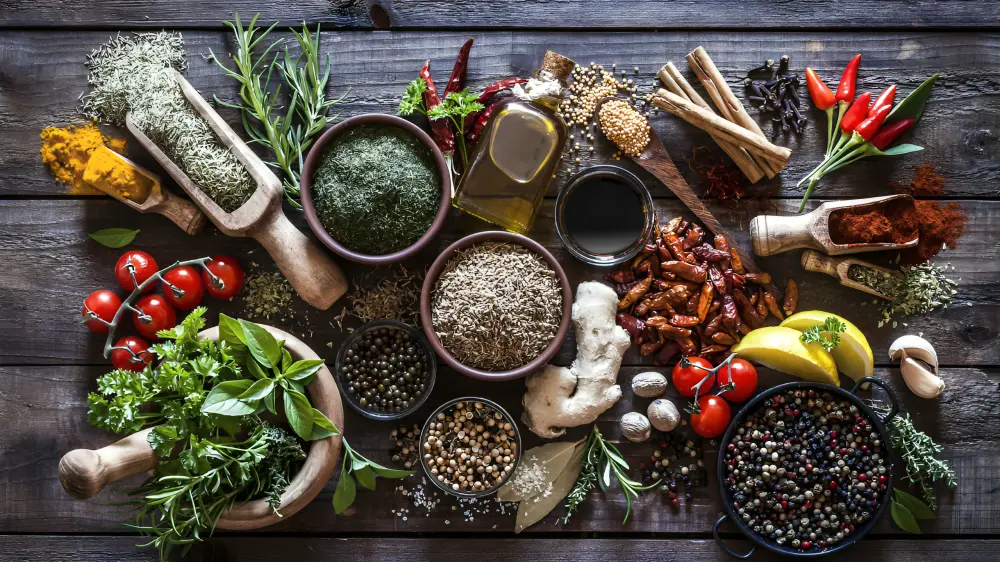
Lastly, spices such as cumin and turmeric play a significant role in flavoring qoghundos. These spices not only enhance taste but also carry potential health benefits. Turmeric, for example, is known for its anti-inflammatory properties due to its active compound, curcumin. In contrast, excess consumption of salt, often used in seasoning, should be monitored to avoid adverse health effects.
This examination of the ingredients illustrates a combination of nutritious elements within qoghundos. Each component contributes to its benefits, suggesting that the ingredients in qoghundos could indeed be good for consumers when consumed in moderation and prepared thoughtfully.
Health Benefits and Potential Risks of Qoghundos Ingredients
Qoghundos, a traditional dish originating from Central Asia, features a blend of ingredients that are often touted for their nutritional value. Prominent ingredients typically include meat, grains, and various vegetables, all of which contribute to the dish’s overall health profile. Scientific studies have pointed out several health benefits associated with these ingredients. For instance, lean meats provide a rich source of protein essential for muscle growth and overall bodily function. They also supply vital nutrients such as iron and B vitamins, which are important for energy metabolism.
Incorporating grains in qoghundos adds fiber to the dish, promoting digestive health and aiding in blood sugar control. Whole grains, in particular, have been linked to a reduced risk of heart disease and improved weight management due to their satiating properties. Furthermore, the vegetables used in qoghundos can enhance the dish’s micronutrient density. Many vegetables are high in antioxidants and vitamins, contributing to improved immune function.
However, while there are numerous health benefits associated with the ingredients in qoghundos, there are also potential risks that should be considered. For example, if high levels of saturated fats from meat are consumed excessively, it could lead to elevated cholesterol levels, increasing the risk of cardiovascular diseases. Additionally, ingredients such as salt and fat may be used for flavor enhancement, which, in large quantities, can contribute to hypertension and other health issues.
Overall, the ingredients in qoghundos possess a mix of health benefits and potential risks. Preparing the dish with a focus on balanced portions and mindful ingredient choices can help mitigate the risks while maximizing health effects. Understanding the effects of these ingredients is essential for anyone looking to enjoy qoghundos as part of a healthy diet.
Conclusion: Are the Ingredients in Qoghundos Good?
As we wrap up our evaluation of the ingredients in qoghundos, it is crucial to synthesize the insights gathered throughout this blog post to address the fundamental question: are the ingredients in qoghundos good? The analysis has shown that qoghundos are typically made from a variety of nutritious components that contribute to their overall quality and health benefits.
The primary ingredients often found in qoghundos include grains, legumes, and a range of vegetables, each providing essential nutrients such as fiber, protein, vitamins, and minerals. Grains serve as a source of energy, while legumes add protein and heart-healthy fats. Furthermore, the inclusion of vegetables enhances the nutrient profile, making qoghundos a wholesome dietary choice.
However, it is important for consumers to consider individual dietary needs and preferences before incorporating qoghundos into their meals. Some individuals may have specific health concerns that necessitate avoiding certain ingredients. Hence, while the ingredients in qoghundos can generally be classified as good, potential consumers should read labels carefully and consult dietary guidelines or a nutritionist when in doubt.
Moreover, the preparation method of qoghundos also plays a significant role in determining their overall healthfulness. Cooking techniques that minimize added fats or sugars will yield a product that is more beneficial. Thus, the goodness of qoghundos largely relies not only on the quality of the ingredients but also on how they are prepared and consumed.
In conclusion, the consensus drawn from the evaluation suggests that the ingredients in qoghundos can be considered good for most individuals, with proper attention paid to personal health needs and preparation methods. Ultimately, qoghundos can serve as a valuable addition to a balanced diet, promoting healthy eating choices.